


Welding Machine MOSFET and Welding Machine Capacitor
Original price was: ₹800.00.₹199.00Current price is: ₹199.00.
Energy Storage: Stores electrical energy and releases it when required by the welding machine circuit.
2. Voltage Stabilization: Helps smooth DC voltage and reduce unwanted voltage fluctuations.
3. High-Frequency Performance: Film capacitors support high-frequency switching and filtering applications.
4. Multiple Capacitance Values: Available in different µF ratings and voltage specifications.
5. Reliable Operation: Designed for use in demanding electronic power supply and inverter circuits.
6. Wide Compatibility: Used in inverter welding machines, ARC welding equipment, MMA machines, and industrial power electronics.
Did you like this product? Add to favorites now and follow the product.
Description
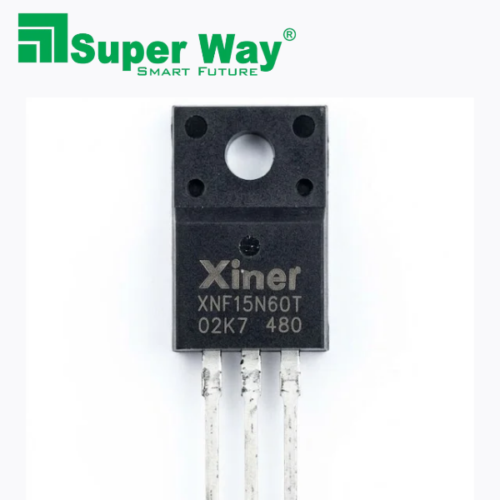
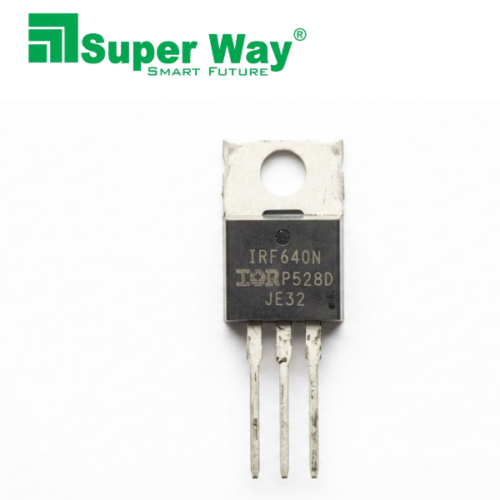
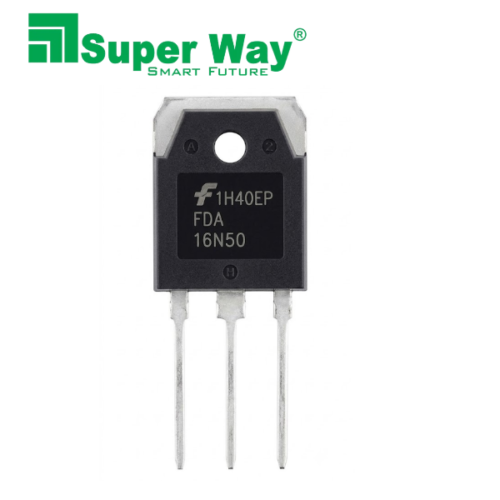
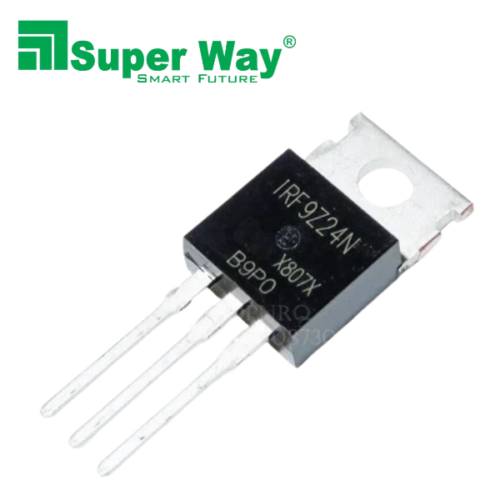
A Welding Machine MOSFET (Metal Oxide Semiconductor Field Effect Transistor) is an essential electronic power component used in modern inverter welding machines. It plays an important role in controlling and switching electrical power at high frequencies, helping the welding machine deliver stable and efficient welding performance. MOSFETs are commonly used in inverter-based welding equipment, including MMA, ARC, and other high-frequency power supply systems, depending on the machine’s circuit design.
The primary function of a MOSFET is to control the flow of electrical current through electronic switching. It works by using a voltage applied to its gate terminal to control current flowing between the drain and source terminals. This switching operation helps convert and regulate electrical power inside the welding machine.
Welding machine MOSFETs are designed to handle demanding electrical conditions, including high switching frequencies, voltage variations, and substantial current loads. They are available in different voltage ratings, current ratings, package types, and specifications to meet the requirements of different inverter welding machine models.
A high-quality MOSFET helps improve switching efficiency, reduce unnecessary power losses, and support consistent machine operation. It is particularly important in the inverter power section, where reliable switching performance directly affects the operation of the welding equipment.
MOSFETs are available in different packages, such as TO-220, TO-247, and other power semiconductor packages. The correct MOSFET must be selected according to the original component specifications, including drain-source voltage (VDS), continuous drain current (ID), gate charge, on-resistance (RDS(on)), and switching characteristics.
These components are widely used by welding machine manufacturers, electronic equipment manufacturers, repair technicians, and industrial maintenance professionals. They are also useful for replacing damaged power switching components during inverter welding machine servicing and maintenance.
Proper installation is important for reliable operation. MOSFETs should be installed with suitable heat sinks, thermal interface materials, and appropriate gate-driving and protection circuitry. Before replacement, technicians should inspect the surrounding circuit components to identify the reason for the original MOSFET failure.
Whether used in manufacturing, servicing, or repairing inverter welding equipment, a reliable welding machine MOSFET is an important component for maintaining efficient power conversion and dependable welding machine performance.
6 Important Features of Welding Machine MOSFET
1. High-Speed Switching: Designed for high-frequency switching applications in inverter welding machines.
2. Power Handling Capability: Available in different voltage and current ratings for various welding machine requirements.
3. Efficient Power Conversion: Helps reduce switching and conduction losses when properly selected and operated.
4. Reliable Performance: Supports stable operation in demanding inverter power supply circuits.
5. Multiple Package Options: Available in TO-220, TO-247, and other power semiconductor packages.
6. Wide Applications: Suitable for inverter ARC welding machines, MMA welding machines, power supplies, and industrial electronic equipment.
2. Welding Machine Capacitor – Full Product Description
A Welding Machine Capacitor is an important electronic component used in inverter welding machines to store electrical energy, filter voltage fluctuations, and support stable power supply operation. Capacitors play a significant role in maintaining proper electrical performance and ensuring smooth operation of welding equipment.
Modern inverter welding machines use different types of capacitors depending on their circuit design and electrical requirements. These include electrolytic capacitors, film capacitors, ceramic capacitors, and high-frequency capacitors. Each type performs a specific function in the welding machine’s electronic circuit.
Electrolytic capacitors are commonly used in the DC bus section of inverter welding machines. They help store electrical energy and smooth the rectified DC voltage before it reaches the inverter switching circuit. This helps reduce unwanted voltage ripple and supports stable power conversion.
Film capacitors are frequently used in high-frequency switching circuits, resonant circuits, and filtering applications. They offer suitable electrical characteristics for handling high-frequency signals and demanding operating conditions. Their low-loss properties make them useful in many inverter power electronic applications.
The main function of a welding machine capacitor is to store and release electrical energy when required by the circuit. It helps stabilize voltage, reduce electrical noise, and support consistent energy delivery to different sections of the welding machine.
Welding machine capacitors are available in various capacitance values, voltage ratings, temperature ratings, sizes, and terminal configurations. Common specifications include microfarads (µF), voltage ratings (V), tolerance, ripple current, ESR, and operating temperature.
Choosing the correct capacitor is essential for maintaining the reliability and performance of an inverter welding machine. A capacitor with an unsuitable capacitance or voltage rating may cause unstable operation, overheating, excessive ripple, or premature component failure.
High-quality welding machine capacitors are suitable for use in industrial inverter welding equipment, ARC welding machines, MMA welding machines, power supply circuits, and electronic repair applications.
For replacement and maintenance purposes, technicians should carefully check the original capacitor’s capacitance, voltage rating, polarity (where applicable), temperature rating, dimensions, and electrical characteristics. Electrolytic capacitors must be installed with correct polarity, while film capacitors should be selected according to their required AC/DC and pulse ratings.
Regular inspection can help identify common capacitor problems, such as bulging, leakage, overheating, reduced capacitance, and increased equivalent series resistance (ESR). Replacing faulty capacitors with suitable components can help restore the proper functioning of the welding machine.
A dependable welding machine capacitor is therefore an essential component for efficient energy storage, voltage filtering, and reliable operation of modern inverter welding equipment
Related products


We are committed to quality, innovation, and powering your needs with trusted energy products.
Copyright 2026 © weldingmachine483

Reviews
There are no reviews yet.