

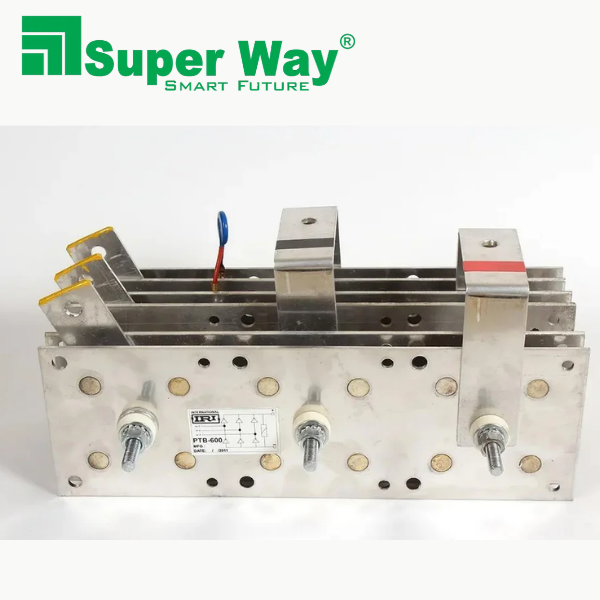
PTB-600 Welding Bridge Rectifier
Original price was: ₹9,000.00.₹2,900.00Current price is: ₹2,900.00.
wholesale price
Key Features
- Three-phase bridge rectifier
- Model identification: PTB-600
- Designed for compatible welding equipment
- Supports AC-to-DC power rectification
- Suitable for compatible DC power supply circuits
- Intended for welding machine maintenance and replacement applications
Did you like this product? Add to favorites now and follow the product.
Description
The PTB-600 Welding Bridge Rectifier is a power electronic component designed for three-phase rectification applications. It is used in compatible welding equipment and DC power supply circuits where alternating current (AC) must be converted into direct current (DC). The rectifier forms part of the power conversion section and supports the electrical operation of equipment according to its circuit design.
The PTB-600 model designation helps identify this component when selecting parts for welding machine servicing, maintenance, repair, or replacement. Correct identification is important because welding equipment can contain different rectifier assemblies with varying electrical characteristics and physical arrangements. The complete model number should be checked when matching a replacement component to an existing machine.
Three-phase bridge rectifiers are used in power conversion circuits that require rectified DC output from a three-phase AC supply. Within welding equipment, the rectifier may be part of the electrical power section that supplies the next stages of the circuit. Depending on the equipment design, other components may perform filtering, switching, current control, and additional power management functions. The rectifier’s role depends on the overall electrical configuration.
The PTB-600 Welding Bridge Rectifier is identified for welding equipment and compatible DC power supply applications. It may be considered when maintaining or replacing a rectifier in equipment designed for this model. However, the product name alone does not establish compatibility with every welding machine or power supply. The required electrical ratings, connection arrangement, mounting method, and operating conditions should be verified before selection.
A bridge rectifier converts AC into a rectified DC output by directing current through the output circuit in a consistent direction. The resulting output may require additional filtering or processing depending on the requirements of the connected equipment. The rectifier should therefore be considered as one part of the complete power conversion circuit rather than as a standalone regulated power supply.
When selecting the PTB-600 for replacement, compare its model designation with the original component and review the relevant equipment documentation. Confirm the required electrical ratings, terminal arrangement, mounting requirements, and cooling provisions. These details are important because rectifiers with similar names may differ in their specifications or physical construction. The applicable datasheet and component markings should be used to verify technical details.
The PTB-600 may be relevant to welding machine repair and maintenance where a compatible three-phase bridge rectifier is required. Before replacing a component, technicians should check the condition of the surrounding circuit and electrical connections. If the original rectifier has failed, related components may also need inspection to determine whether another fault contributed to the problem. Replacing the rectifier without checking the surrounding circuit may not resolve the underlying issue.
For equipment maintenance, retaining the complete PTB-600 model designation can help identify the correct component during future servicing. Accurate identification is also useful for spare-parts organization, inventory records, and maintenance planning. When several rectifier models are used across different machines, recording model numbers helps distinguish individual components and reduces the chance of selecting an incompatible replacement.
The installation arrangement should be checked before fitting the rectifier. Electrical connections, terminal identification, mounting points, and any cooling requirements must match the equipment’s design. The actual component specifications should be confirmed rather than assumed from the model number. Where technical documentation is incomplete, the component should be checked by a suitably qualified technician before installation.
Welding equipment and power supply circuits can involve hazardous electrical energy. The machine must be disconnected from its power source before servicing, and appropriate electrical safety procedures must be followed. Installation and testing should be carried out by a person with suitable technical knowledge. Any required protection and cooling arrangements should follow the verified specifications of the component and the equipment.
Superway lists the PTB-600 Welding Bridge Rectifier to identify its intended role in compatible welding equipment and DC power conversion applications. The model designation provides a useful reference when checking replacement requirements, maintaining component records, or identifying a part for servicing. Buyers and technicians should verify the exact technical specifications and application compatibility before choosing the component.
When comparing the PTB-600 with another rectifier, check more than the appearance or general product category. The phase configuration, electrical ratings, connection layout, mounting requirements, and operating conditions all need to correspond to the intended application. A rectifier that looks similar may not be a suitable replacement if its specifications or connection arrangement differ from those required by the machine.
The PTB-600 Welding Bridge Rectifier is intended for compatible three-phase rectification applications, including suitable welding equipment and DC power supply circuits. Accurate model identification, verification of technical information, and correct installation are essential when selecting this component for maintenance or replacement. These checks help determine whether the rectifier meets the requirements of the equipment in which it will be used.
Related products
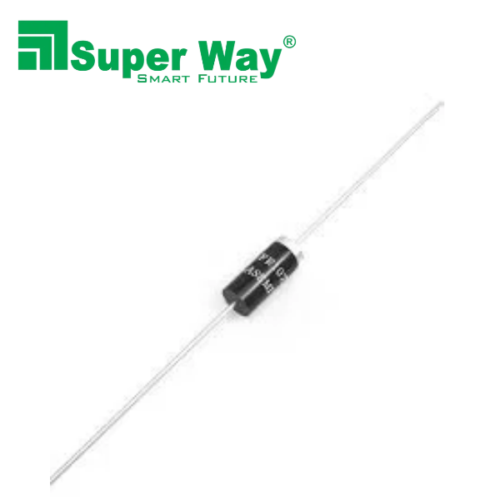
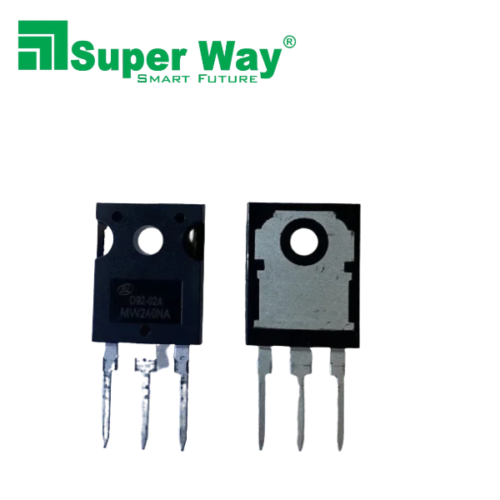

60F30A 400V 60A Fast Recovery Diode
Original price was: ₹900.00.₹65.00Current price is: ₹65.00.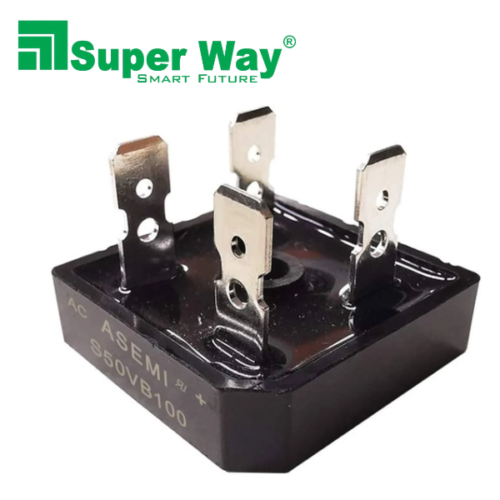
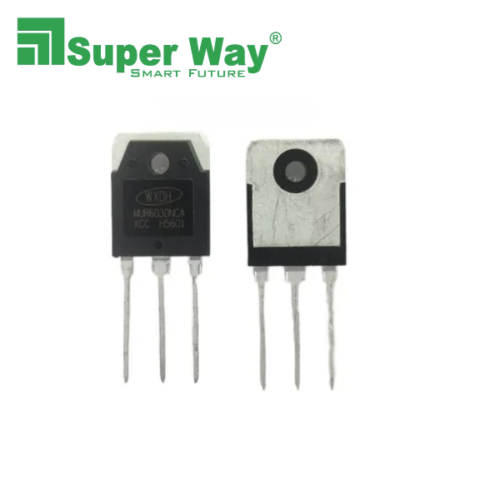
MUR6030NCA 60A 300V Fast Recovery Diode
Original price was: ₹800.00.₹79.00Current price is: ₹79.00.Recently Viewed Products

CM600DY-24A Power Module
Original price was: ₹45,000.00.₹17,000.00Current price is: ₹17,000.00.
We are committed to quality, innovation, and powering your needs with trusted energy products.
Copyright 2026 © weldingmachine483

Reviews
There are no reviews yet.