

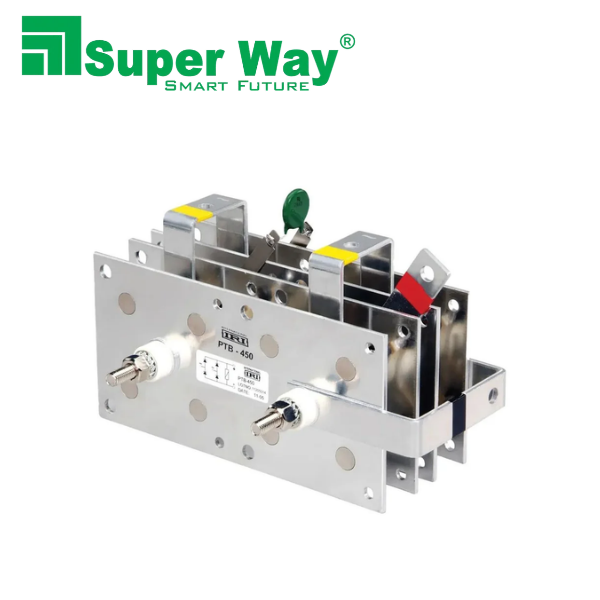
PTB-450 S Welding Bridge Rectifier
Original price was: ₹5,000.00.₹1,700.00Current price is: ₹1,700.00.
wholesale price
Key Features
- Single-phase welding bridge rectifier
- Model identification: PTB-450 S
- Designed for compatible welding machines and DC power supplies
- Button diode construction with heat sink
- Includes thermostat and M.O.V. features
- Intended for compatible power rectification and replacement applications
Did you like this product? Add to favorites now and follow the product.
Description
The PTB-450 S Welding Bridge Rectifier is a power electronic component designed for rectification applications in compatible welding equipment and DC power supply systems. A bridge rectifier converts alternating current (AC) into direct current (DC), supporting the power conversion process required by the connected equipment. The PTB-450 S model designation helps identify this component when selecting a rectifier for maintenance, repair, or replacement.
This model is part of the PTB(S)-450 rectifier series. The S designation is important for distinguishing it from other models in the same family, including versions with different electrical configurations or connection arrangements. Before selecting a component, users should check the complete model number and confirm that it matches the requirements of the intended equipment.
The PTB-450 S is described as a single-phase welding bridge rectifier. Single-phase rectification is used in electrical circuits where AC input must be converted into a rectified DC output. In a bridge arrangement, the rectifying elements direct current through the output circuit in a consistent direction during both halves of the AC cycle. Additional circuit components may be required to filter or regulate the output, depending on the equipment’s design.
A key feature of this rectifier is its button-diode construction with a heat sink. The heat sink provides a path for dissipating heat generated during operation. Appropriate heat management is important in power electronic assemblies because the rectifier operates as part of an electrical power circuit. The installation and cooling arrangements must correspond to the requirements of the actual component and the equipment in which it is used.
The PTB-450 S also includes thermostat and M.O.V. features as identified in the available product documentation. These features form part of the component’s described construction. Their precise operation and ratings should be confirmed from the applicable technical documentation before making installation or design decisions. The complete product configuration should be checked rather than assuming that every version in the PTB series has identical features.
The rectifier is intended for applications such as compatible welding machines and DC power supplies. In welding equipment, rectification may form part of the electrical power section that supplies the next stage of the machine’s circuit. Other components may handle switching, control, filtering, and current management. The exact function of the PTB-450 S within a particular machine depends on that machine’s electrical design.
When choosing the PTB-450 S Welding Bridge Rectifier for a replacement, compare the full model designation with the original component. Verify the required electrical ratings, terminal arrangement, mounting method, and cooling requirements using the relevant datasheet or component markings. A similar model name or appearance does not guarantee that two rectifiers can be used interchangeably.
The product’s model designation is useful for identifying the correct component during repair and parts management. Recording the complete name helps distinguish the PTB-450 S from the PTB-450 D, PTB-450 H BUS BAR, and other rectifier models. These variants may differ in their electrical configuration, physical layout, or intended connection arrangement. Any replacement decision should be based on verified compatibility.
The rectifier should be considered as one part of the complete electrical system. If a component is being replaced following a failure, the surrounding circuit and its connections may also need inspection. Related components should be checked where appropriate to help identify any underlying electrical fault. Installing a replacement without checking the equipment’s requirements may not resolve the original problem.
For maintenance planning, accurate identification can help technicians organize spare parts and record which components are installed in particular machines. Keeping the product name together with verified technical information reduces confusion when handling multiple types of rectifiers. It also makes it easier to compare a proposed replacement against the specifications of the existing equipment.
Before installation, check the terminal identification, connection arrangement, mounting points, and required cooling provisions. The rectifier should be fitted according to the technical documentation for the component and the welding machine. The equipment must be disconnected from its power source before servicing, and appropriate electrical safety procedures should be followed. Installation and testing should be performed by someone with suitable electrical knowledge.
Superway lists the PTB-450 S Welding Bridge Rectifier to identify its intended use in compatible welding equipment and DC power supply applications. The complete model designation helps users distinguish this component from other bridge rectifiers when reviewing replacement requirements. The actual specifications and configuration should be verified before selecting the part for a particular application.
When evaluating this rectifier, users should confirm that its electrical and physical characteristics match the equipment’s requirements. Check the applicable documentation for the specified operating ratings, connection layout, and installation conditions. Do not rely on the model number alone to establish every technical detail, particularly when replacing a component in an existing power circuit.
The PTB-450 S Welding Bridge Rectifier is intended for compatible single-phase rectification applications, including suitable welding machines and DC power supplies. Correct model identification, verification of specifications, and proper installation are important when selecting this component for maintenance, repair, or replacement work.
Related products

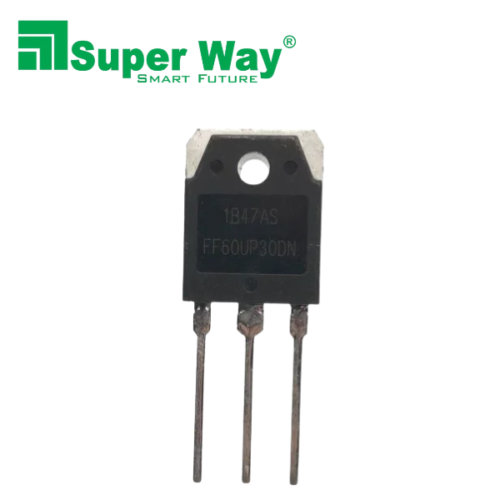
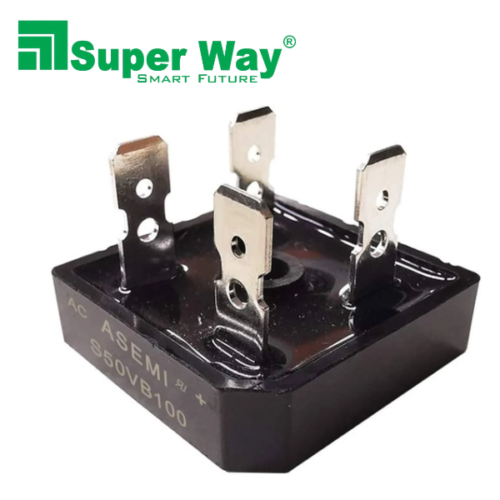
60UP30 Ultrafast Recovery Power Rectifier Diode
Original price was: ₹200.00.₹80.00Current price is: ₹80.00.
Recently Viewed Products

PTB-300 S Welding Bridge Rectifier
Original price was: ₹5,000.00.₹1,600.00Current price is: ₹1,600.00.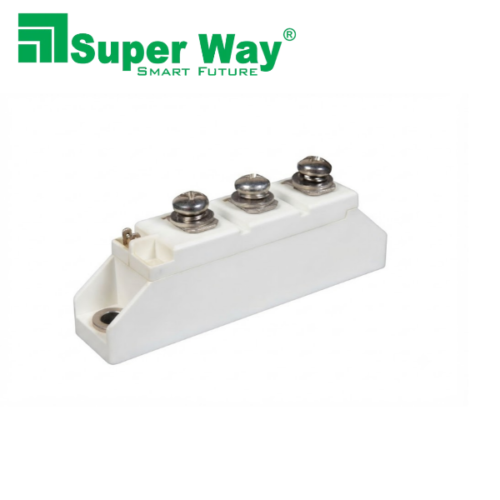
IRKT 92/16 Thyristor Module
Original price was: ₹2,500.00.₹550.00Current price is: ₹550.00.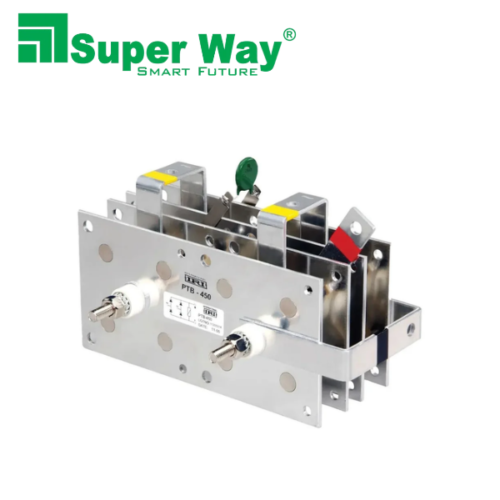
PTB-450 S Welding Bridge Rectifier
Original price was: ₹5,000.00.₹1,700.00Current price is: ₹1,700.00.
We are committed to quality, innovation, and powering your needs with trusted energy products.
Copyright 2026 © weldingmachine483

Reviews
There are no reviews yet.