

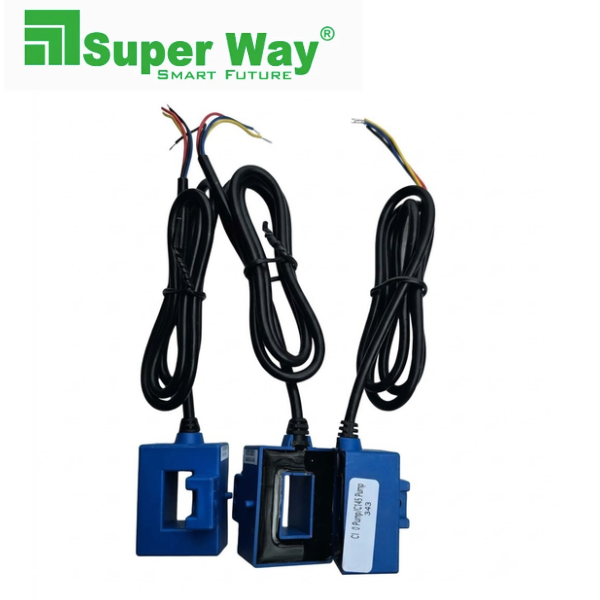
Hall Sensor 400A
Original price was: ₹999.00.₹500.00Current price is: ₹500.00.
wholesale price
- Designed for compatible electrical current sensing applications.
- Intended for systems requiring a suitable Hall effect sensor.
- Supports current measurement or monitoring in compatible circuits.
- Useful for electronic equipment repair and maintenance.
- Suitable for replacement when the original sensor specifications match.
- Applicable to compatible power electronics and control systems.
Did you like this product? Add to favorites now and follow the product.
Description
The Hall Sensor 400A is an electronic sensing component intended for compatible electrical current measurement and monitoring applications. Hall effect sensors use the Hall effect to detect magnetic fields, allowing appropriately designed devices to sense electrical current without relying on a direct electrical connection to the measured conductor. This type of component is used in various electronic systems where current feedback or monitoring is required.
The 400A designation in the product name indicates the intended current range or product classification, but the exact measurement range and operating characteristics should be confirmed from the manufacturer’s specifications. Buyers should verify the sensor’s complete model number, output type, supply requirements, connection arrangement, and installation details before selecting it for a particular application.
Current sensing is important in many electrical and electronic systems. Depending on the circuit design, current feedback can help equipment monitor electrical loads, support control functions, or provide information to a connected electronic controller. Hall effect current sensors are used in compatible power electronics, motor control systems, battery equipment, industrial controls, and other applications where electrical current needs to be measured or monitored.
The Hall Sensor 400A may be relevant to technicians, electronics repair businesses, industrial maintenance teams, and spare-parts suppliers who work with equipment requiring a matching current sensor. It can be considered when replacing an existing sensor or sourcing a component for a compatible electronic assembly. Its suitability depends on the specifications of the original sensor and the requirements of the intended circuit.
Before purchasing, check the markings on the original sensor and compare them with the available product information. Important details may include the model number, rated current range, supply voltage, output configuration, terminal arrangement, mounting dimensions, and measurement characteristics. The current rating alone is not sufficient to establish compatibility because sensors with similar current classifications can use different electrical interfaces and physical designs.
Hall effect current sensors operate by detecting the magnetic field associated with electrical current. In a suitably designed sensor, this magnetic field produces an output that corresponds to the current being measured. The relationship between the measured current and the output signal depends on the sensor’s internal design and specifications. For this reason, the sensor must be compatible with the electronic circuit receiving its signal.
In welding machine electronics, current sensing may be used in control and monitoring circuits, depending on the equipment design. A sensor may provide feedback to a compatible controller as part of the machine’s current regulation or protection system. However, the specific role of this Hall Sensor 400A in a welding machine cannot be confirmed from the product name alone. Buyers should compare the original sensor and verify the intended application before ordering.
For electronics repair workshops, identifying the correct current sensor is an important step in equipment maintenance. If a sensor is suspected of being faulty, the technician should inspect the associated wiring, connectors, power supply, and control circuitry as appropriate. Replacing the sensor without checking the surrounding system may not resolve the underlying fault if another component is responsible.
The sensor’s physical design should also be checked carefully. Current sensors may differ in housing shape, conductor opening, mounting method, connector position, and terminal layout. These differences can affect installation and compatibility with the equipment. A replacement should fit the intended arrangement and provide the correct electrical interface for the connected circuit.
For spare-parts dealers, maintaining accurate identification information can make it easier to source the correct Hall effect sensor. Recording the equipment model, original sensor marking, connector details, and relevant specifications can help distinguish between similar components. When requesting a replacement, providing a clear photograph of the original sensor and its printed markings may help the supplier verify the correct product.
Installation should be carried out by a qualified person familiar with current sensing devices and the electrical equipment involved. The sensor should be connected according to the manufacturer’s documentation, with attention to its supply, output, and terminal configuration. Incorrect wiring or an incompatible sensor can result in inaccurate readings, malfunction, or damage to connected electronics.
Electrical safety is especially important when working with high-current equipment. A 400A designation does not mean that the sensor can be installed in any circuit carrying that current. The actual application must meet the sensor’s specified operating conditions, conductor requirements, insulation arrangements, and installation instructions. Equipment should be isolated and made safe before inspection or replacement work begins.
After installation, the sensor and connected circuit should be checked using appropriate service procedures. Verification may include checking connections, confirming the output signal, and comparing readings against a suitable reference under controlled conditions. Testing should follow the equipment manufacturer’s instructions and be performed by qualified personnel using appropriate equipment.
For online buyers, the product name Hall Sensor 400A provides a useful starting point for searching for a current sensing component. However, the complete specifications should be confirmed before placing an order. Checking the sensor model, output type, operating requirements, mounting arrangement, and intended application helps reduce the risk of selecting an incompatible replacement.
The Hall Sensor 400A is intended for buyers seeking a Hall effect current sensing component for a compatible electronic system. It may be relevant to power electronics service providers, industrial maintenance teams, welding machine repair technicians, and electronic component suppliers. Its exact suitability depends on the verified specifications and the requirements of the equipment in which it will be used.
Before ordering, confirm the complete sensor details with the supplier and compare them with the original component or circuit documentation. Do not rely on the 400A designation alone to determine compatibility. Selecting the correct Hall Sensor 400A helps support appropriate current monitoring, electronic repair, and equipment maintenance.
Related products

150K Resistor 1/4 Watt CFR 100 Pcs
Original price was: ₹300.00.₹30.00Current price is: ₹30.00.
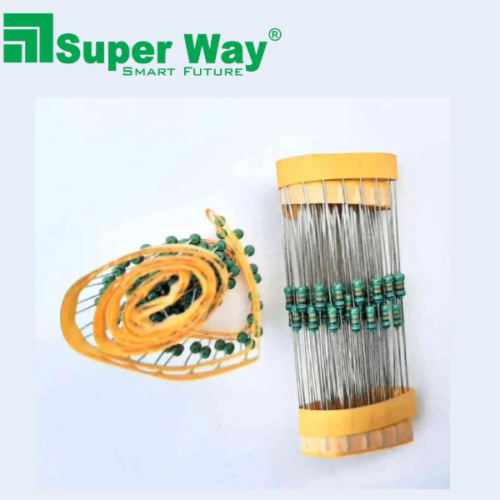
1.2K Resistor 1/4 Watt CFR 100 Pcs
Original price was: ₹300.00.₹30.00Current price is: ₹30.00.
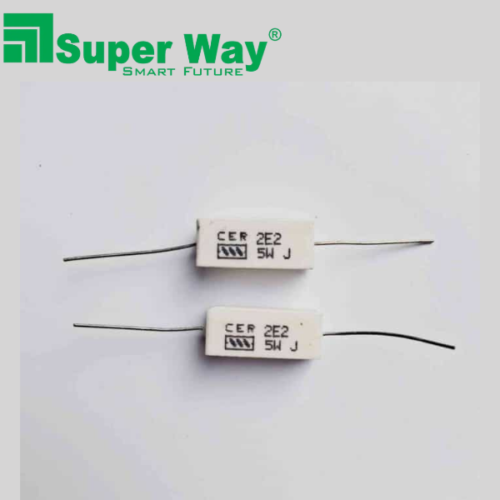
150 Ohm 5 Watt Wire Wound Resistor
Original price was: ₹300.00.₹7.00Current price is: ₹7.00.
We are committed to quality, innovation, and powering your needs with trusted energy products.
Copyright 2026 © weldingmachine483

Reviews
There are no reviews yet.