


E25 200:6 Transformer
Original price was: ₹150.00.₹70.00Current price is: ₹70.00.
wholesale price
- Designed for compatible electronic circuit applications.
- Identified by the E25 200:6 marking.
- Suitable for replacement when the original specifications match.
- Useful for electronic equipment repair and maintenance.
- Intended for use in compatible circuit-board assemblies.
- Suitable for electronic components inventory and spare-parts sourcing.
Did you like this product? Add to favorites now and follow the product.
Description
The E25 200:6 Transformer is an electronic component intended for use in compatible electrical and electronic circuit applications. Transformers are used in electronic equipment to transfer energy between circuits through electromagnetic induction. Depending on their construction and design, they may provide voltage transformation, electrical isolation, or signal coupling. The specific function of this E25 200:6 Transformer must be confirmed from its complete specifications and intended application.
The E25 designation may refer to the transformer’s core or physical format, while the 200:6 marking may identify a particular winding ratio or product-specific configuration. However, these markings alone are not enough to confirm the exact electrical characteristics. Buyers should verify the manufacturer’s documentation, winding details, rated operating conditions, pin arrangement, and intended circuit before choosing this component for a replacement or new design.
Transformers are used in many electronic systems, including power-conversion circuits, switching power supplies, control boards, and other electronic assemblies. Their role depends on the circuit in which they are installed. A transformer designed for one application may not be suitable for another, even when its physical size and appearance are similar. Selecting the correct component requires matching the electrical requirements as well as the mechanical layout.
The E25 200:6 Transformer may be relevant to electronics repair technicians, circuit-board service providers, electronic component retailers, and manufacturers who source transformer components for compatible applications. It can be considered when an existing transformer needs replacement or when a matching component is required for a circuit assembly. Before ordering, confirm that the product corresponds to the original part or the documented requirements of the circuit.
When replacing a transformer, inspect the original component for printed markings, manufacturer codes, terminal identification, and any available part number. Compare the number and arrangement of pins, physical dimensions, mounting method, and core format with the replacement. These checks can help establish whether the transformer is physically suitable, but electrical compatibility must also be verified independently.
Winding configuration is an important factor in transformer selection. Different winding arrangements can produce different electrical behaviours, and the winding ratio alone does not establish the component’s current capacity, power rating, insulation characteristics, or operating frequency. These details should be confirmed through reliable product information before the transformer is used in a circuit.
For repair workshops, accurate component identification can help make electronic maintenance more organized. Recording the equipment model, circuit-board number, original transformer markings, and replacement part details can help technicians source the correct components for future repairs. Electronic component suppliers may also find it useful to maintain clear product descriptions so that buyers can distinguish between transformers with similar appearances but different electrical functions.
The E25 200:6 Transformer should be selected according to the requirements of the intended circuit. If it is being sourced for a switching power supply or welding machine control board, the circuit design and the original transformer specifications should be checked carefully. The product name alone does not confirm compatibility with any particular welding machine, power supply, or control board.
Physical fit is another consideration when choosing a replacement transformer. The component should match the required mounting arrangement and pin layout. Incorrect pin placement or an unsuitable winding connection can prevent the circuit from operating correctly and may damage connected components. Do not rely solely on the dimensions or shape of the original transformer when deciding whether another part is suitable.
Installation should be carried out by a qualified person familiar with electronic circuits and transformer connections. Electrical equipment may contain hazardous voltages and capacitors that retain energy after the supply has been disconnected. Follow appropriate isolation and service procedures before inspecting or replacing components. Confirm the pin connections and circuit requirements before applying power to repaired equipment.
During troubleshooting, the technician should also consider the surrounding circuit and associated components. A transformer-related fault may require checking connected components and the power supply section, rather than simply replacing the transformer without diagnosis. After installation, the equipment should be inspected and tested using appropriate procedures before being returned to service.
For online buyers, a clear photograph of the original transformer can help with identification. The photograph should show all visible markings, the pin arrangement, and the overall component shape. Providing the circuit-board model or equipment model may also help a supplier determine whether the available transformer matches the required application. Where possible, obtain a datasheet or verified specification sheet before purchasing.
This product may be useful to electronic component dealers, repair technicians, maintenance departments, and manufacturers who need a transformer for a compatible circuit. Its suitability depends on confirming the electrical characteristics, winding arrangement, operating conditions, and physical configuration required by the intended equipment.
Before placing an order, verify the meaning of the E25 200:6 marking with the supplier. Confirm the winding details, electrical ratings, pin configuration, and intended application rather than assuming that the marking provides all necessary information. Selecting a correctly matched transformer helps support appropriate circuit repair, maintenance, and assembly work.
Related products
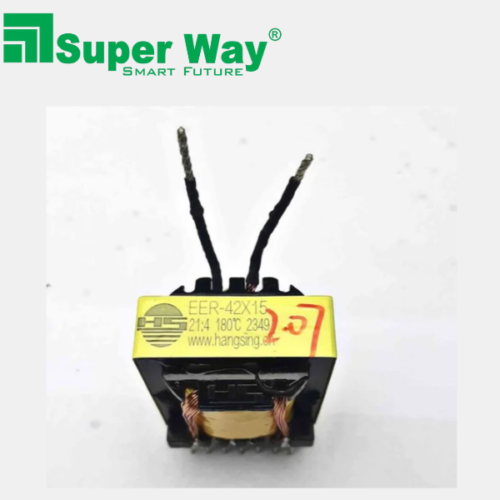
# EER42X15 Welding Transformer
Original price was: ₹3,000.00.₹320.00Current price is: ₹320.00.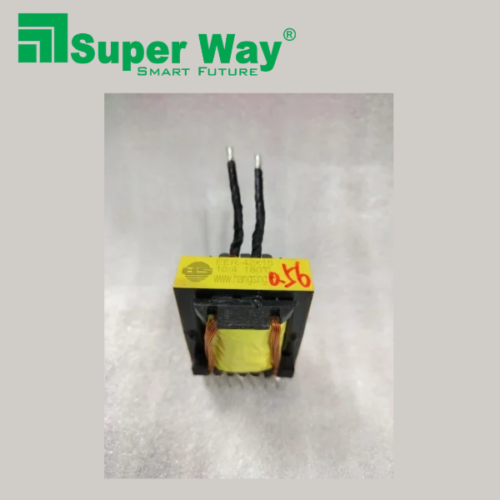
10:4 Transformer for Welding Machine
Original price was: ₹2,000.00.₹500.00Current price is: ₹500.00.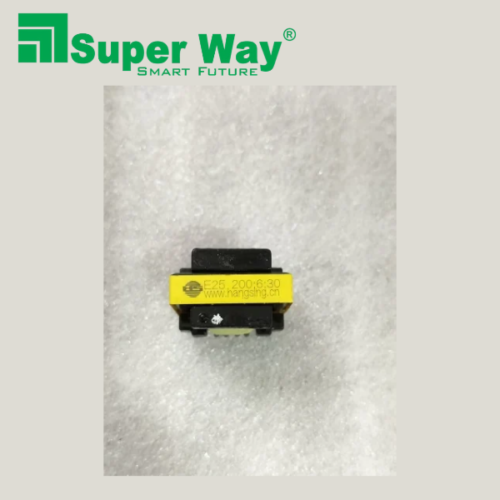
200:6 Supply Transformer for Welding Machine
Original price was: ₹2,000.00.₹500.00Current price is: ₹500.00.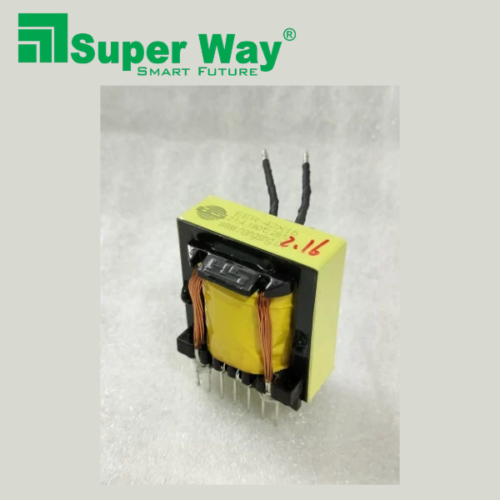
Welding Transformer for Welding Machine
Original price was: ₹2,000.00.₹500.00Current price is: ₹500.00.
250A Welding Machine Transformer Coil
Original price was: ₹5,000.00.₹620.00Current price is: ₹620.00.Recently Viewed Products

We are committed to quality, innovation, and powering your needs with trusted energy products.
Copyright 2026 © weldingmachine483

Reviews
There are no reviews yet.