

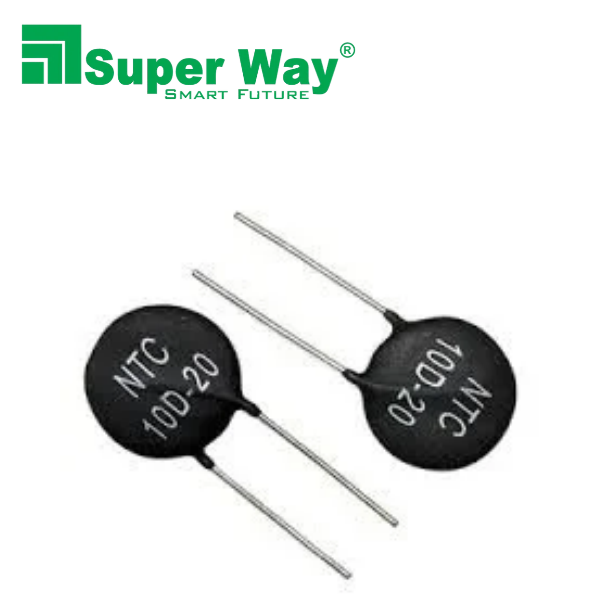
10D-20 NTC Thermistor
Original price was: ₹90.00.₹30.00Current price is: ₹30.00.
wholesale price
- NTC thermistor for inrush current limiting
- Helps suppress startup surge current
- Connected in series with the power circuit
- Resistance decreases as the component heats up
- Helps protect electronic components from startup current surges
- Suitable for compatible power supply circuits
Did you like this product? Add to favorites now and follow the product.
Description
10D-20 NTC Thermistor
The 10D-20 NTC Thermistor is a temperature-sensitive electronic component designed to help limit inrush current when electrical equipment is switched on. Inrush current is the brief surge of current that can occur when power is first applied to an electronic circuit. This surge can place additional stress on components such as rectifiers, capacitors, switching devices, and other parts of a power supply. An appropriately selected NTC thermistor can help reduce this initial current surge and support more reliable circuit operation.
NTC stands for Negative Temperature Coefficient. This means that the component’s electrical resistance decreases as its temperature increases. When the circuit is first switched on and the thermistor is relatively cool, its resistance is comparatively high. This higher resistance helps limit the initial current flowing into the circuit. As current continues to pass through the component, it heats up and its resistance decreases. The lower resistance then allows the circuit to operate with less resistance in the normal current path.
Inrush Current Limiting
Many electronic power circuits draw a brief surge of current at startup. This can happen when capacitors charge or when other circuit components begin operating. If the surge is not properly controlled, it may place unnecessary electrical stress on components or cause protective devices to operate unexpectedly.
The 10D-20 NTC Thermistor is intended for suitable circuits where reducing this startup surge is necessary. Connected in series with the power input, it initially provides resistance that limits the current. As the thermistor warms up, its resistance decreases, reducing the power lost across the thermistor during normal operation. The actual reduction in startup current depends on the circuit design, input voltage, load, capacitance, ambient temperature, and thermistor characteristics.
Operating Principle
The operating principle of an NTC thermistor is based on the relationship between temperature and resistance. At a relatively low temperature, the component has higher resistance. When electrical current passes through it, heat is generated, causing its temperature to rise. As the temperature increases, the resistance falls.
This behaviour makes an NTC thermistor useful for limiting current during initial startup. However, its resistance does not remain high indefinitely during normal operation. Once the component becomes warm, its resistance is lower, allowing the equipment to draw its operating current. The thermistor’s temperature and resistance settle according to the current flowing through it and the heat it loses to the surrounding environment.
Because the component relies on heating and cooling, its performance can differ between a cold startup and a quick restart while it is still warm. A warm thermistor may provide less inrush-current limiting than a fully cooled component. This behaviour should be considered when designing equipment that is frequently switched on and off.
Applications
NTC thermistors are commonly used in suitable power supply circuits and electronic equipment where startup current needs to be limited. Depending on its actual ratings, a device such as the 10D-20 may be considered for power supplies, charging equipment, control electronics, and other circuits that experience an initial current surge.
The exact applications for this particular model should be determined from its datasheet. The product designation alone does not confirm its maximum continuous current, resistance at a specified temperature, maximum operating voltage, energy-handling capacity, or physical dimensions. These specifications must be checked before selecting the component for a particular device.
Installation and Circuit Selection
The supplier’s description specifies connecting the NTC thermistor in series with the power source circuit. Correct placement is important because the component must be in the intended current path to limit startup current. Before installation, verify the circuit diagram and make sure the thermistor is suitable for the input voltage, normal operating current, and expected startup surge.
The component also needs suitable space for heat dissipation. An NTC thermistor warms during operation, so it should be installed according to the manufacturer’s recommended clearances and temperature limits. Nearby heat-sensitive components should be protected from excessive heat, and the thermistor should not be enclosed in a way that causes it to exceed its rated temperature.
Disconnect the power supply before handling or replacing the component. Installation should be performed by a qualified person, especially in mains-powered equipment. An NTC thermistor is designed for particular current-limiting conditions and should not be treated as a complete replacement for a fuse or other required electrical protection.
Important Selection Considerations
Before purchasing or using the 10D-20 NTC Thermistor, confirm its resistance value, tolerance, rated current, maximum allowable voltage, thermal characteristics, and dimensions from the manufacturer’s datasheet. These values determine whether the component can operate safely and provide the required inrush-current reduction in the intended circuit.
Do not select a thermistor based only on its model designation or appearance. An unsuitable resistance or current rating may result in excessive heating, inadequate surge suppression, or unwanted voltage drop during normal operation. The correct component should be selected according to the equipment manufacturer’s specifications and the electrical demands of the circuit.
Product Summary
The 10D-20 NTC Thermistor is designed to help suppress startup surge current in compatible electronic power circuits. Its relatively high resistance when cool limits the initial current, while its resistance decreases as it heats up during operation. This allows it to help reduce startup stress while maintaining a lower-resistance current path during normal operation. Confirm the exact electrical and thermal specifications before using this component in a power supply or other electronic device.
Related products


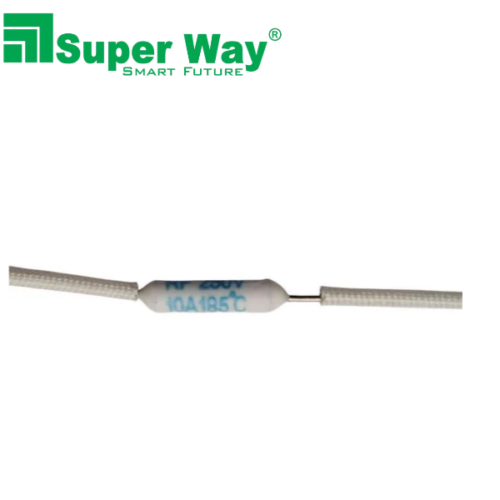
250V 10A Rice Cooker Thermal Fuse 185°C
Original price was: ₹300.00.₹14.00Current price is: ₹14.00.
Recently Viewed Products

Sakti Control Card for Welding Machine
Original price was: ₹5,000.00.₹2,200.00Current price is: ₹2,200.00.

Display Card with 1 Regulator
Original price was: ₹3,000.00.₹1,300.00Current price is: ₹1,300.00.
820µF 400V Electrolytic Capacitor
Original price was: ₹300.00.₹130.00Current price is: ₹130.00.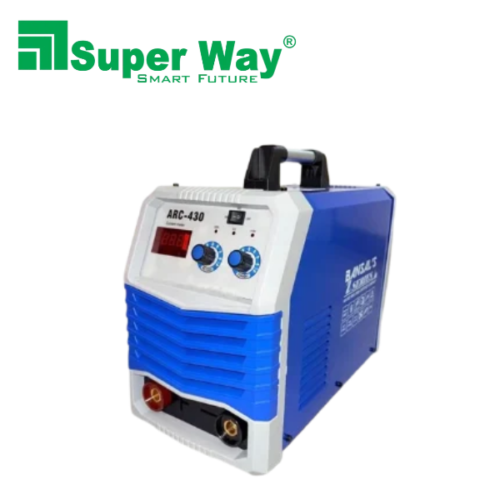
ARC-430 1-Phase/2-Phase IGBT Welding Machine
Original price was: ₹25,000.00.₹13,000.00Current price is: ₹13,000.00.
We are committed to quality, innovation, and powering your needs with trusted energy products.
Copyright 2026 © weldingmachine483

Reviews
There are no reviews yet.