

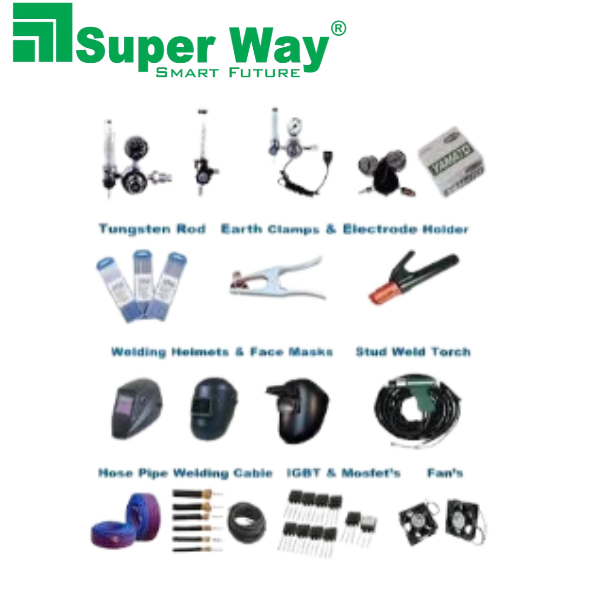
Welding Machine Components and Electrical Parts
Original price was: ₹500.00.₹99.00Current price is: ₹99.00.
wholesale price
-
Components for compatible welding machine assemblies.
-
Covers electrical and electronic part requirements where applicable.
-
Helps support equipment servicing and component replacement.
-
Suitable for workshops, suppliers, and maintenance businesses.
-
Selection depends on the welding machine model and required part.
-
Verify component specifications before confirming an order.
Did you like this product? Add to favorites now and follow the product.
Description
Welding Machine Components and Electrical Parts are used in the construction, operation, servicing, and maintenance of compatible welding equipment. A welding machine contains different components that work together as part of its electrical, electronic, and mechanical systems. Each component has a particular role depending on the machine’s design and configuration.
These components may be required by welding equipment manufacturers, repair technicians, industrial suppliers, fabrication workshops, and businesses that maintain welding machines. The exact part required depends on the machine type, model, original component, and intended application.
Understanding Welding Machine Components
Welding machines can contain a variety of components, depending on their design and operating system. These may include control-related components, electronic parts, electrical connections, cooling components, capacitors, display units, and other items used in specific machine assemblies.
The arrangement and specifications of these components can vary between models. Therefore, buyers should identify the required component before placing an order. A general product name may help describe the requirement, but it may not provide enough information to establish compatibility.
Checking the machine model, original part markings, and available reference numbers can help narrow down the selection. When necessary, a clear photograph of the original component can also support identification.
Electrical and Electronic Parts
Electrical and electronic components form part of the systems used in many welding machines. Their functions depend on the circuit design and the equipment in which they are installed.
When sourcing an electrical or electronic replacement, buyers should verify the relevant specifications. These may include electrical ratings, dimensions, terminal arrangements, pin configuration, and other details applicable to the particular part.
Components that appear similar may not be interchangeable. Differences in ratings or connections can affect whether a part is suitable for the intended machine. For this reason, compatibility should be confirmed before purchasing or installing a replacement.
Components for Equipment Servicing
Welding machine components may be needed when a machine requires inspection, repair, or replacement of an individual part. If equipment develops a fault, the cause should be identified before ordering a component.
A problem may relate to a particular part, a connection, or another section of the machine. Replacing components without confirming the underlying issue can result in unnecessary purchases or further equipment problems.
Qualified technicians can inspect the equipment and determine which component is required. Repairs involving electrical and electronic systems should follow the manufacturer’s instructions and appropriate safety procedures.
Applications Across Different Businesses
Welding machine components may be relevant to a range of commercial and technical applications.
-
Welding workshops: For sourcing parts required during machine servicing.
-
Repair professionals: For identifying components needed for specific repairs.
-
Fabrication units: For maintaining welding equipment used in daily operations.
-
Industrial suppliers: For responding to customer enquiries about replacement parts.
-
Equipment manufacturers: For sourcing components according to their machine designs.
-
Maintenance departments: For identifying suitable parts for supported equipment.
The actual requirements will depend on the machine and the work being performed.
How to Select the Correct Component
Selecting the correct component begins with identifying the equipment and the part that needs to be replaced. Start by checking the welding machine’s manufacturer and model number. Then inspect the original component for any printed markings, part numbers, or other identifying information.
If the part cannot be identified easily, provide a clear photograph showing its overall appearance and connections. For electronic parts, details such as the component code, package type, pin arrangement, and electrical ratings may be relevant. For mechanical or structural components, dimensions and mounting details may be important.
Confirm these details with the supplier or a qualified technician whenever there is uncertainty. Do not assume that a component will fit simply because it looks similar to the original.
Importance of Compatibility
Welding machine components are not necessarily universal. Different manufacturers and models may use different circuit designs, connectors, physical dimensions, and component specifications.
A suitable replacement should match the requirements of the equipment for which it is intended. Before confirming an order, check the component reference, machine model, and relevant technical details. If the required information is unavailable, seek clarification rather than relying on assumptions.
Careful selection can help reduce ordering mistakes and support a more appropriate repair process.
Ordering and Enquiry Details
When enquiring about welding machine components, provide as much relevant information as possible. Useful details include the machine model, component name, original part number, quantity required, and a photograph of the existing part where available.
For components with specific electrical or mechanical requirements, confirm the necessary specifications before ordering. Availability, dimensions, ratings, and compatibility should be verified for the particular item rather than assumed to be the same across all products.
Clear information helps suppliers understand the requirement and determine whether the requested component matches the intended application.
Safe Installation and Handling
Proper installation is important when replacing welding machine components. A component should only be fitted when its compatibility and installation requirements have been established.
Work involving internal electrical or electronic systems should be performed by a qualified technician. Welding equipment may contain electrical hazards, and the manufacturer’s safety instructions should be followed during inspection, repair, and installation.
After replacement, the equipment should be checked appropriately before being returned to use.
Conclusion
Welding Machine Components and Electrical Parts support the construction, servicing, and maintenance of compatible welding equipment. The required component can vary according to the machine’s design, original specifications, and intended use.
By identifying the correct part, checking the available technical details, and confirming compatibility before purchase, buyers can make informed decisions when sourcing components for welding machine applications.
Related products
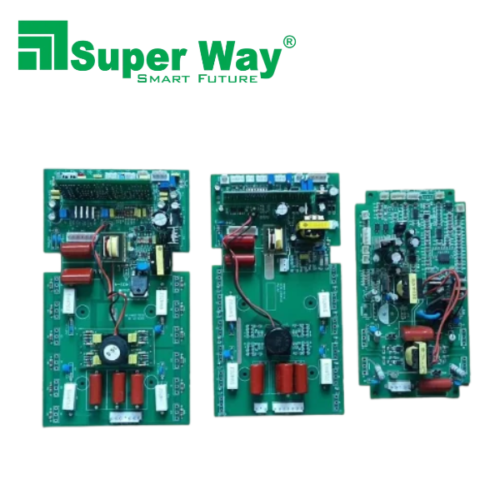
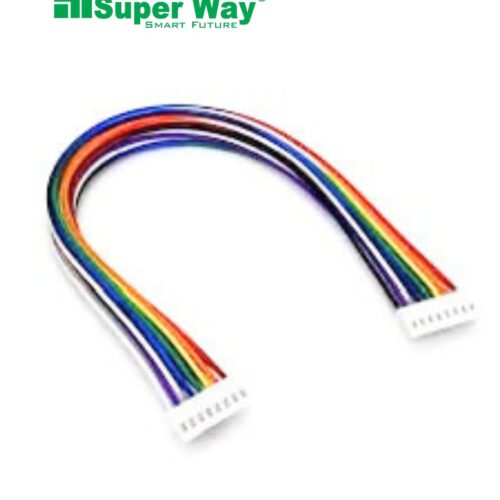
Welding Machine PCB Connector – 3 Pin to 10 Pin Male and Female
Original price was: ₹30.00.₹9.00Current price is: ₹9.00.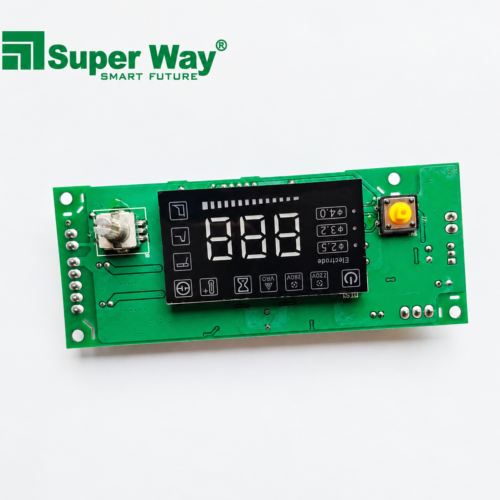
ZX7-400 Welding Machine Display Control Board / 400A
Original price was: ₹3,000.00.₹900.00Current price is: ₹900.00.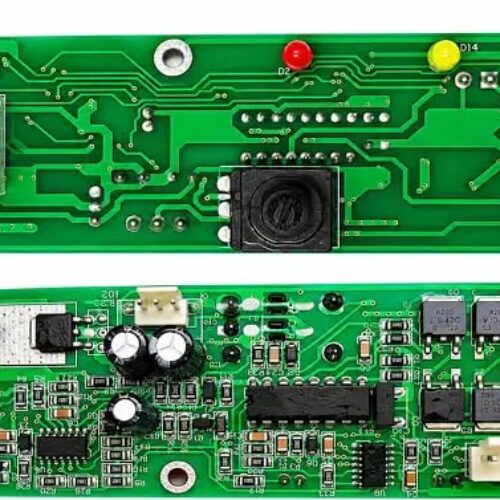
ZX7-400-2KB Welding Machine Control PCB Board With Digital Display & 2 Knobs
Original price was: ₹2,000.00.₹600.00Current price is: ₹600.00.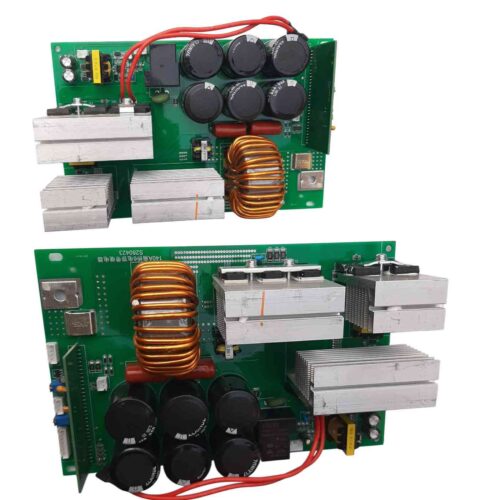
ARC 200 Amp Welding Machine Spare Parts
Original price was: ₹5,333.00.₹1,600.00Current price is: ₹1,600.00.
We are committed to quality, innovation, and powering your needs with trusted energy products.
Copyright 2026 © weldingmachine483

Reviews
There are no reviews yet.